
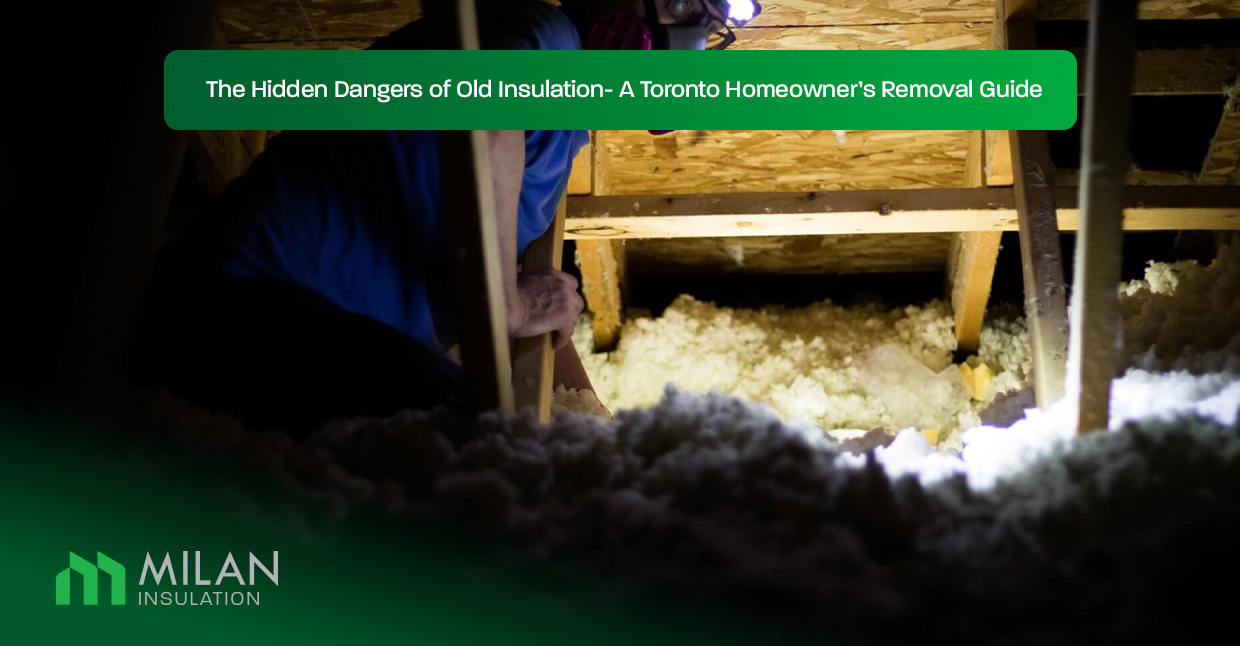
The hidden dangers of old insulation are more than just a theoretical concern—they’re a real, present threat in thousands of Toronto homes. From asbestos-laden vermiculite in post-war bungalows to mold-infested cellulose in leaky attics, aging insulation can silently compromise your health, spike your energy bills, and even undermine your home’s structural integrity. What makes these risks especially dangerous is their invisibility: tucked away in walls and ceilings, they often go unnoticed until symptoms like musty odors, unexplained allergies, or ice dams appear—usually right in the middle of a harsh Toronto winter. Recognizing and addressing these hazards early isn’t just smart home maintenance—it’s essential for safety, compliance, and long-term savings.
When it comes to identifying and safely removing compromised insulation, Milan Insulation has established itself as one of Toronto’s most trusted and professional specialists in insulation removal. With certified expertise in handling hazardous materials, rigorous safety protocols, and a deep understanding of local building codes and climate challenges, Milan Insulation provides comprehensive assessments, compliant abatement, and high-performance replacement solutions tailored to GTA homeowners. If you suspect your home is harboring the hidden dangers of old insulation, partnering with a qualified expert like Milan Insulation ensures the job is done right—the first time—protecting both your family and your investment.
Table of Contents
ToggleWhat’s Hiding in Your Walls? Uncovering the Silent Threats of Aging Insulation
You might not see it, smell it, or even think about it—but the hidden dangers of old insulation could already be affecting your Toronto home. Unlike a leaky faucet or a drafty window, degraded or contaminated insulation operates in silence, slowly eroding your indoor air quality, energy efficiency, and even your family’s health. Whether it’s asbestos fibers from 1970s vermiculite, rodent droppings in cellulose batts, or mold thriving in moisture-soaked fiberglass, these threats often go undetected until they trigger bigger problems: respiratory issues, sky-high heating bills, or failed home inspections. In a city with Toronto’s mix of older housing stock and extreme seasonal swings, ignoring what’s behind your drywall or above your ceiling can be a costly oversight.
In the sections that follow, we’ll take a deep dive into the most serious—and often overlooked—hidden dangers of old insulation, explain why they’re especially relevant for GTA homeowners, and outline how professional removal can restore safety, comfort, and peace of mind. Let’s pull back the curtain on what’s really lurking in your insulation.
Understanding Why Old Insulation Becomes a Risk in Toronto Homes
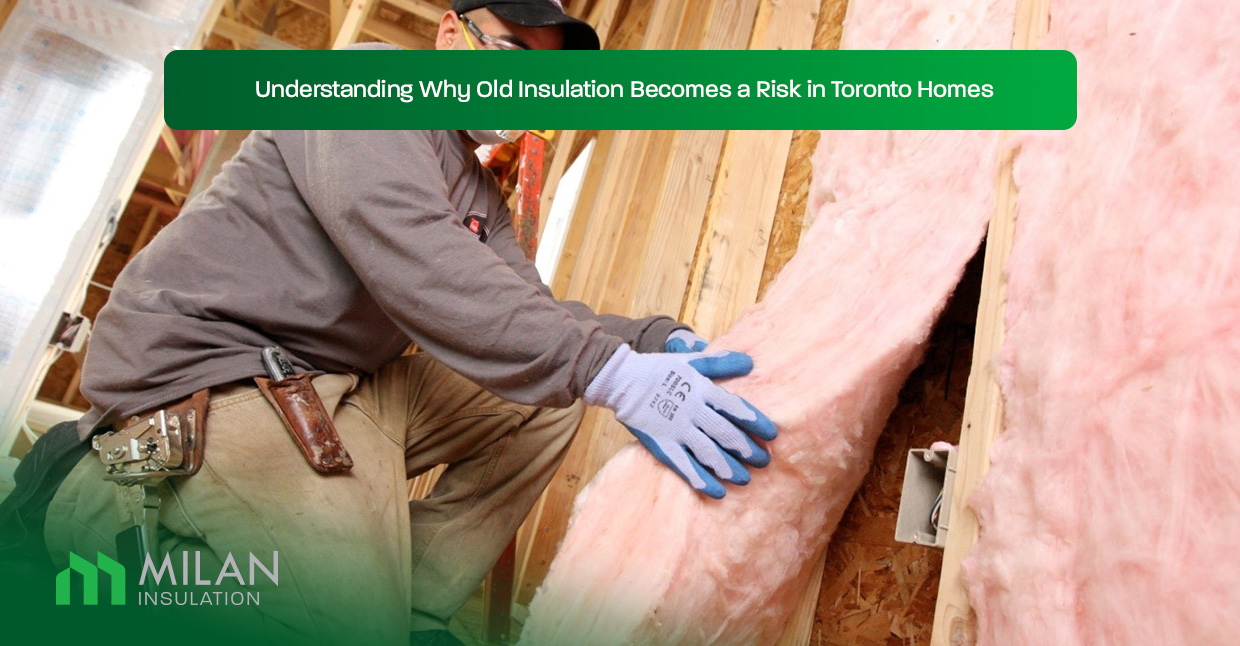
Toronto’s unique combination of four distinct seasons, older housing stock, and evolving building regulations creates the perfect storm for insulation-related problems. Homes built between the 1950s and 1990s—common in neighborhoods like Parkdale, Riverdale, and Scarborough—often contain materials that are now known to be problematic.
For example, vermiculite insulation, widely used until the late 1980s, may contain asbestos fibers. Fiberglass batts from the 1970s–90s can degrade, release airborne particles, and lose R-value due to settling. Cellulose insulation, while eco-friendly when new, becomes highly attractive to rodents and prone to moisture absorption over time.
What makes these risks “hidden” is their location: tucked away in attics, wall cavities, or crawl spaces, they often go unnoticed until symptoms appear—musty odors, unexplained allergies, ice dams on the roof, or skyrocketing gas bills. By then, the damage may already be extensive.
Recognizing the hidden dangers of old insulation isn’t just about comfort—it’s a proactive health and financial safeguard, especially in a city where winter heating demands expose every weakness in your home’s thermal envelope.
Asbestos and Vermiculite: A Silent Health Threat in Older Toronto Homes
One of the most alarming hidden dangers of old insulation is the presence of asbestos, particularly in vermiculite-based products. Vermiculite insulation—often sold under the brand name Zonolite—was commonly installed in Canadian attics until 1990. Much of it originated from a mine in Libby, Montana, which was contaminated with tremolite asbestos, a known carcinogen.
According to Health Canada, disturbing vermiculite insulation—even slightly—can release microscopic asbestos fibers into the air. Inhaling these fibers over time can lead to mesothelioma, lung cancer, and asbestosis. There is no safe level of exposure.
Why Toronto is at risk:
- Over 30% of Toronto’s housing stock was built before 1980.
- Many post-war bungalows and split-level homes in Etobicoke, North York, and East York used loose-fill vermiculite.
- DIY renovations (e.g., installing attic lights or storage) often unknowingly disturb this material.
What to do:
Never attempt to remove or sample vermiculite yourself. If your attic contains loose, pebble-like, gray-brown material, assume it’s contaminated. Contact a licensed asbestos abatement professional registered with the Ontario Ministry of Labour. Only trained experts using sealed containment and HEPA filtration should handle removal.
Ignoring this risk doesn’t just endanger your family—it can also affect your ability to sell your home or obtain insurance. The hidden dangers of old insulation like asbestos aren’t theoretical; they’re documented, regulated, and potentially life-threatening.
Mold and Moisture: How Old Insulation Becomes a Breeding Ground
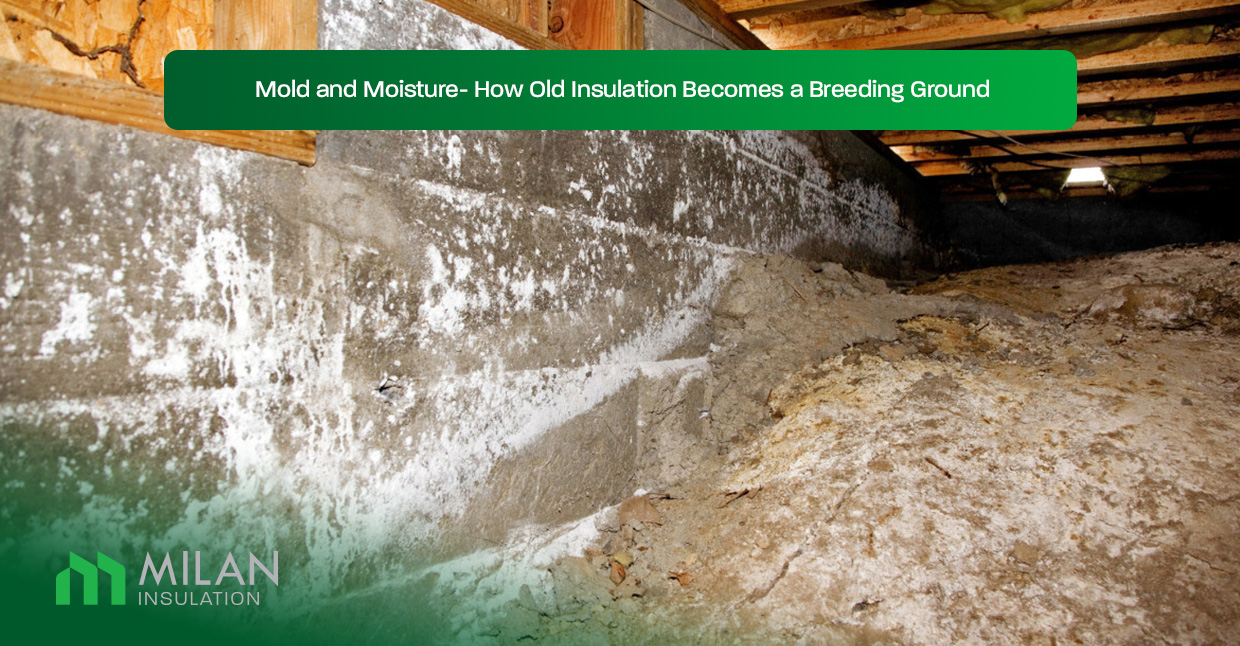
Toronto’s humid summers (average relative humidity: 70–80%) followed by rapid winter cooling create ideal conditions for condensation inside wall and attic assemblies. When old insulation lacks proper vapor barriers or becomes compressed, it traps moisture instead of resisting it.
The result?
- Wet insulation loses up to 50% of its R-value.
- Organic materials like cellulose become food for mold (e.g., Stachybotrys, Aspergillus).
- Mold spores circulate through HVAC systems, triggering respiratory issues, especially in children and seniors.
Signs you’re facing this hidden danger:
- Musty or earthy odors in upper floors
- Discolored ceiling patches or peeling paint near eaves
- Persistent condensation on windows, even with new units
The Toronto climate factor:
Ice dams—a common winter issue in the GTA—form when heat escapes through poorly insulated attics, melting snow that refreezes at the roof edge. This water can seep under shingles, soaking insulation and drywall. Once wet, old insulation rarely dries fully, creating a chronic mold environment.
Solution:
Complete removal of mold-contaminated insulation is the only safe option. Sanitizing or “drying it out” is ineffective. After removal, address the root cause: improve attic ventilation (soffit + ridge vents), seal air leaks, and install moisture-resistant insulation like closed-cell spray foam or mineral wool.
This is a prime example of how the hidden dangers of old insulation extend far beyond energy loss—they directly impact your family’s health.
Pest Infestations: When Insulation Becomes a Nesting Haven
Another insidious aspect of the hidden dangers of old insulation is its appeal to urban wildlife. Toronto’s raccoon, squirrel, and mouse populations are among the highest in North America—and they love warm, undisturbed attic spaces filled with soft, fibrous material.
Cellulose and fiberglass insulation are particularly vulnerable:
- Rodents chew through vapor barriers and use fibers to build nests.
- Their urine and droppings contaminate insulation with bacteria like Salmonella and Leptospira.
- Squirrel activity can damage wiring, creating fire hazards.
Once pests move in, the insulation becomes a biohazard. Even after animals are removed, their scent markers attract new intruders—unless the contaminated material is fully removed and replaced.
Real-world impact in Toronto:
Toronto Animal Services reports over 15,000 wildlife nuisance calls annually—many related to attic infestations. Homeowners often don’t realize the extent of contamination until they smell ammonia-like odors or hear scratching at night.
Professional protocol:
Reputable insulation contractors in Toronto follow a three-step process:
- Humane pest removal (by licensed wildlife control)
- Full removal of soiled insulation using HEPA-filtered vacuums
- Sanitization of surfaces and installation of pest-resistant materials (e.g., rockwool, which rodents avoid)
Leaving contaminated insulation in place doesn’t just invite repeat infestations—it violates health codes and may void your home insurance.
Degraded Performance: Why “Still There” Doesn’t Mean “Still Working”
Many homeowners assume that if insulation is visible, it’s functional. But the hidden dangers of old insulation include invisible performance decay.
Common degradation issues in Toronto homes:
- Settling: Blown-in cellulose can lose 20–30% of its depth over 10–15 years, reducing R-value.
- Compression: Fiberglass batts sag or get packed down during attic storage use, creating thermal gaps.
- Air leakage: Old insulation rarely seals gaps around chimneys, ducts, or recessed lights—leading to heat loss.
According to Natural Resources Canada, up to 25% of heat loss in Canadian homes occurs through the attic. In Toronto’s Zone 6 climate, this translates to hundreds of dollars in wasted heating costs each winter.
The false economy of “topping up”:
Some contractors suggest adding new insulation over old layers. But if the existing material is damp, moldy, or pest-infested, this traps problems and worsens moisture retention. True efficiency requires complete removal of compromised insulation, followed by air sealing and high-performance replacement.
Upgrading to modern materials (e.g., R-50 spray foam or dense-pack cellulose) not only boosts efficiency but also qualifies you for the Canada Greener Homes Grant—up to $5,000 in rebates for eligible retrofits.
Legal, Insurance, and Resale Complications
Finally, the hidden dangers of old insulation aren’t just physical—they’re financial and legal.
Insurance issues:
Major Ontario insurers like Intact and TD Insurance may deny claims for water or fire damage if inspections reveal:
- Rodent-chewed wiring near contaminated insulation
- Mold resulting from long-term moisture in degraded insulation
- Undisclosed vermiculite during home sale
Building code compliance:
While the Ontario Building Code doesn’t require retrofits in existing homes, any renovation involving walls or attics triggers mandatory upgrades. If you’re finishing a basement or adding an extension, outdated insulation may need full removal to meet current R-value standards (e.g., R-50 for attics).
Resale impact:
In Toronto’s competitive market, a clean, modern insulation system is a selling point. Conversely, disclosure of asbestos or mold issues can scare buyers or trigger costly remediation demands during inspection.
Proactively addressing the hidden dangers of old insulation protects your equity and avoids last-minute crises during transactions.

Your Step-by-Step Guide to Safe Insulation Removal in Toronto
If you suspect your home is affected by any of these hidden dangers, follow this professional protocol:
- Schedule a Comprehensive Inspection
Hire a certified insulation contractor or indoor air quality specialist to assess material type, contamination, and R-value. - Test for Hazards
If vermiculite is present, request an asbestos test from an accredited lab. For mold, air or surface sampling may be needed. - Choose a Licensed Removal Contractor
Ensure they’re registered with the Ontario Ministry of Labour, carry liability insurance, and follow TSSA and Toronto Public Health guidelines. - Contain and Remove Safely
Proper removal includes sealed work zones, negative air pressure, HEPA filtration, and OSHA-compliant PPE. - Air-Seal and Upgrade
After removal, seal all penetrations, then install new insulation that meets or exceeds OBC standards for Toronto.
Final Thoughts: Don’t Let Hidden Dangers Stay Hidden
The hidden dangers of old insulation are real, widespread, and especially relevant in Toronto’s aging housing market and extreme climate. From carcinogenic fibers to pest colonies and energy waste, what’s tucked away in your attic could be silently harming your home and health.
But awareness is the first step—and action is the solution. By investing in professional assessment and removal, you’re not just fixing insulation; you’re reclaiming a safer, healthier, and more efficient living environment.
This winter, don’t just heat your home—protect it. Uncover the hidden dangers before they uncover you.
FAQs
How can I tell if my insulation contains asbestos?
If your home was built before 1990 and has loose, pebble-like attic material, it may be vermiculite. Assume it contains asbestos and avoid disturbing it. Only lab testing can confirm.
Can I remove old insulation myself?
Will new insulation qualify for government rebates?
Yes! After removing old insulation, installing eligible high-R-value materials qualifies for the Canada Greener Homes Grant and Enbridge HER+ rebates.

No comment