

Remove old insulation in Toronto homes before winter isn’t just a maintenance task—it’s a critical step toward ensuring safety, energy efficiency, and indoor comfort during the city’s coldest months. Over time, insulation can become compromised by moisture, mold, pests, or hazardous materials like asbestos, especially in older GTA properties. Left unaddressed, these issues can lead to soaring heating bills, health risks, and even structural damage. That’s why timely and professional removal is essential for every Toronto homeowner preparing for the winter season.
For trusted, code-compliant, and health-conscious insulation removal, Milan Insulation stands out as one of Toronto’s leading specialists in safe and effective removal services. With certifications from industry authorities, rigorous safety protocols, and deep expertise in handling contaminated or outdated insulation, Milan Insulation helps homeowners eliminate hidden hazards while preparing their homes for high-performance upgrades. When it comes to the complex task of insulation removal in Toronto, choosing a qualified professional isn’t optional—it’s the smartest investment you can make before the first snowfall.
Table of Contents
ToggleWhy Wait Until Winter? The Hidden Dangers Lurking in Your Home’s Old Insulation
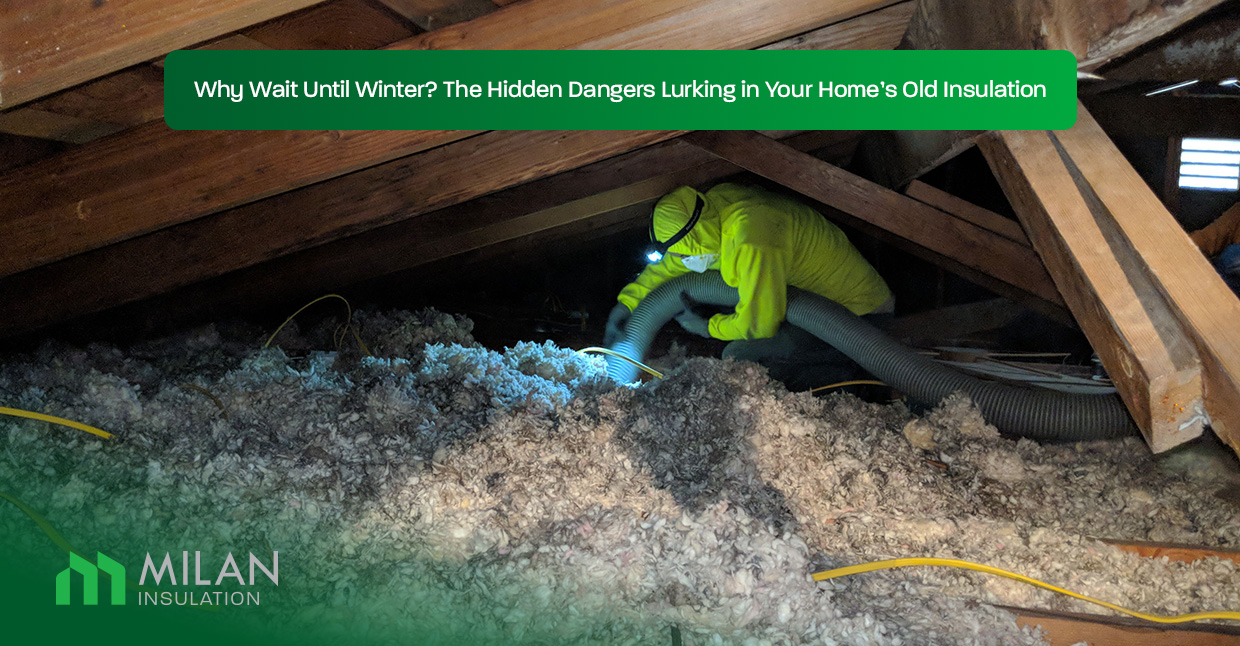
As Toronto braces for another long, icy winter, many homeowners overlook a silent threat hiding in their attics, walls, and crawl spaces: old, degraded, or contaminated insulation. Far from being a passive layer of protection, outdated insulation can actively undermine your home’s safety, energy efficiency, and indoor air quality—especially when sub-zero temperatures set in. Moisture buildup, rodent infestations, mold growth, and even hazardous materials like asbestos are common in insulation installed decades ago, and these issues worsen when trapped heat and humidity have nowhere to escape during the heating season. Ignoring them doesn’t just risk discomfort—it can lead to serious health concerns, costly repairs, and inflated energy bills.
In the sections below, we’ll explore 5 critical reasons to remove old insulation in Toronto homes before winter—from health hazards and energy waste to compliance risks and property value impacts. Each point is grounded in local climate realities, building codes, and professional best practices, so you can make informed decisions to protect your home and family. Let’s uncover why proactive removal isn’t just smart—it’s essential.
1. Contaminated Insulation Poses Serious Health and Safety Risks
One of the most urgent reasons to remove old insulation in Toronto homes is contamination. Over time, insulation—particularly older types like fiberglass, cellulose, or vermiculite—can become a breeding ground for harmful substances.
Mold and Moisture Damage
Toronto’s humid summers followed by rapid winter temperature drops create ideal conditions for condensation in attics and wall cavities. If your home’s ventilation is inadequate or roof leaks exist, moisture can saturate insulation. Wet insulation not only loses its thermal resistance (R-value) but also fosters mold and mildew. Mold spores circulate through HVAC systems, triggering allergies, asthma, and respiratory issues—especially dangerous for children and the elderly.
Pest and Rodent Infestations
Loose-fill or batt insulation in older Toronto homes often becomes nesting material for rodents (mice, rats), squirrels, raccoons, and insects. These pests leave behind droppings, urine, and hair, all of which contaminate insulation with bacteria and pathogens. Cellulose insulation, made from recycled paper, is especially appealing to pests. Once contaminated, this material cannot be sanitized—it must be fully removed from Toronto homes to prevent recurring infestations and odor problems.
Asbestos and Vermiculite Hazards
Homes built before the mid-1980s may contain vermiculite insulation, which can be contaminated with asbestos—a known carcinogen. Disturbing this material during renovations or even routine attic access releases dangerous fibers into the air. Health Canada and the City of Toronto strongly recommend professional assessment and removal of vermiculite insulation. Attempting DIY removal is illegal and life-threatening.
2. Inefficient Insulation Drives Up Heating Costs During Toronto Winters
Toronto winters are notoriously long and cold, with average January temperatures around -5°C (23°F) and frequent sub-zero wind chills. In such conditions, your home’s thermal envelope must perform optimally to retain heat and minimize furnace strain.
Degraded R-Value
All insulation materials degrade over time. Fiberglass batts compress, cellulose settles, and blown-in insulation loses loft. This reduces the material’s R-value—the measure of thermal resistance—by up to 30–50%. When insulation underperforms, heat escapes through the attic, walls, and floors, forcing your heating system to run longer and more frequently.
According to Natural Resources Canada, proper attic insulation can reduce heating costs by 10–20%. Conversely, failing to remove old insulation in Toronto homes with compromised performance means you’re paying premium prices to heat the outdoors.
Air Leaks and Thermal Bridging
Old insulation often fails to seal gaps around chimneys, ducts, recessed lighting, and attic hatches. These leaks create thermal bridges—paths for heat to escape. Even high-quality new insulation installed over old, leaky material won’t solve the problem. The only effective solution is to remove old insulation in Toronto homes, air-seal all penetrations, and install a fresh, high-performance insulation system.
3. Building Code Compliance and Insurance Implications
Toronto’s building codes have evolved significantly over the past two decades, with stricter energy efficiency and safety standards. Homes with outdated insulation may no longer comply—posing legal and financial risks.
Ontario Building Code (OBC) Requirements
The current OBC (2020, amended 2023) mandates minimum R-values for new construction and major renovations:
- Attic: R-50 (approximately 18–20 inches of blown cellulose or fiberglass)
- Walls: R-22 to R-24 (depending on construction type)
While existing homes aren’t required to retroactively meet these standards, any insulation replacement or renovation involving walls or attics must comply. If you plan to sell, renovate, or add an extension, outdated insulation could delay permits or trigger mandatory upgrades.
Home Insurance Complications
Insurance providers in Ontario, including major firms like TD Insurance and Intact, may deny claims or cancel policies if inspections reveal:
- Rodent- or mold-contaminated insulation
- Evidence of moisture damage due to inadequate insulation
- Presence of vermiculite/asbestos not disclosed or remediated
In 2022, the Insurance Bureau of Canada reported a 19% increase in denied claims related to “preventable moisture and pest damage” in GTA homes—many tied to neglected insulation.
4. Improved Indoor Air Quality and Home Comfort
Many Toronto homeowners underestimate how insulation affects indoor air quality (IAQ). Old, contaminated insulation acts as a reservoir for allergens, volatile organic compounds (VOCs), and airborne pathogens.
Reduction in Allergens and Irritants
Dust mites, rodent dander, mold spores, and degraded fiberglass particles can infiltrate living spaces through ceiling fixtures, vents, and wall cracks. For families with asthma or seasonal allergies—exacerbated by Toronto’s high pollen counts in spring and fall— this creates a year-round health burden.
By choosing to remove old insulation in Toronto homes, you eliminate these hidden pollutant sources. When paired with proper air sealing and ventilation upgrades (e.g., HRV or ERV systems), you create a healthier, more controlled indoor environment.
Elimination of Cold Spots and Drafts
Inefficient or uneven insulation leads to thermal inconsistencies—cold floors, icy window frames, and chilly bedrooms. These aren’t just discomforts; they indicate significant energy loss. Removing compromised insulation and replacing it with a uniform, high-performance system ensures consistent temperatures throughout your home, even during -20°C cold snaps.

5. Increased Property Value and Market Competitiveness
If you’re considering selling your Toronto home—whether in high-demand neighborhoods like The Beaches, Leaside, or Mississauga’s Cooksville—energy efficiency is a major selling point.
Buyer Expectations in the GTA Market
Today’s homebuyers, especially millennials and eco-conscious families, prioritize energy efficiency, low utility bills, and healthy living environments. A home inspection revealing outdated or contaminated insulation can trigger price renegotiations or even kill a deal.
In contrast, a home with recently removed and replaced insulation demonstrates proactive maintenance, compliance with modern standards, and lower future operating costs. According to Toronto Real Estate Board (TRREB) data, energy-efficient homes sell 12–18% faster and for 5–8% more than comparable properties with outdated systems.
Energy Efficiency as a Long-Term Investment
Programs like Enbridge’s Home Efficiency Rebate Plus (HER+) and the Canada Greener Homes Grant offer up to $5,000 in rebates for insulation upgrades in Ontario. To qualify, you typically must remove old insulation in Toronto homes and install eligible high-R-value materials. These incentives offset removal and installation costs while boosting your home’s EnerGuide rating—a visible asset on listings.
How to Safely and Effectively Remove Old Insulation in Toronto Homes
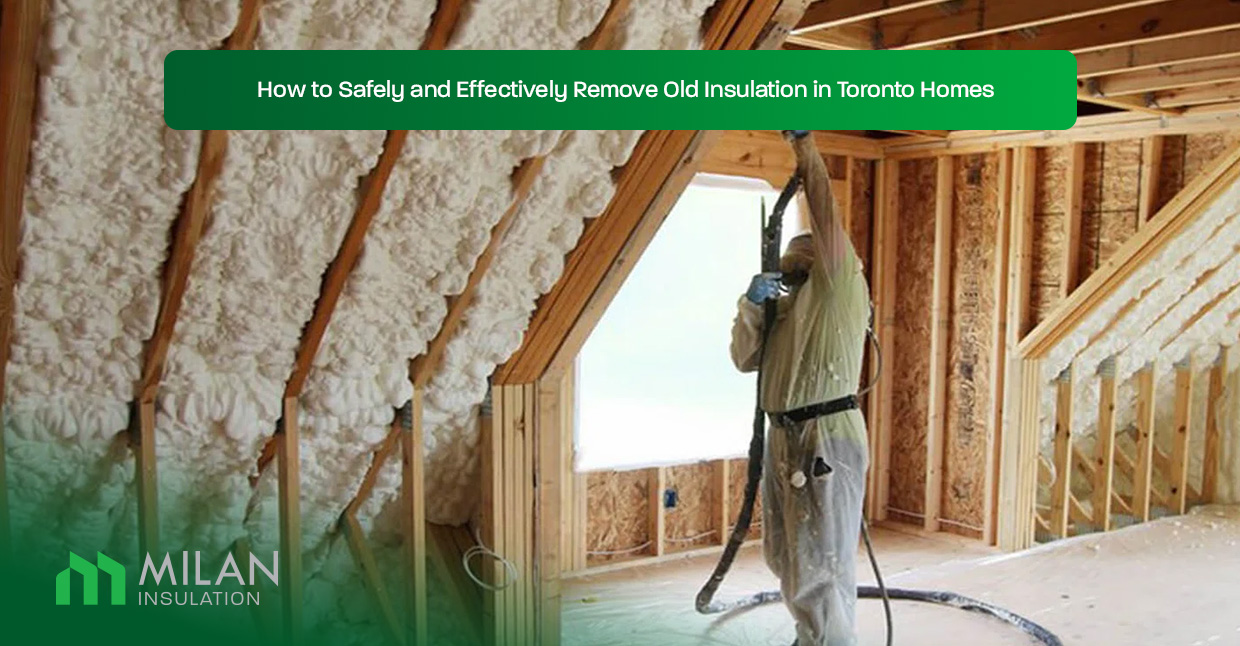
Once you’ve recognized the need to remove old insulation in Toronto homes, the next step is doing it right. Here’s a professional-grade process:
- Hire a Certified Insulation Contractor
Look for companies licensed by the Ontario Ministry of Labour and certified by organizations like CIMA (Canadian Insulation Manufacturers Association) or HRAI (Heating, Refrigeration and Air Conditioning Institute of Canada). Ensure they carry liability insurance and follow Toronto Public Health and TSSA (Technical Standards and Safety Authority) guidelines. - Conduct a Pre-Removal Inspection
A reputable contractor will test for mold, asbestos, and pest activity before starting work. Air quality testing may also be recommended. - Use Proper Containment and PPE
Removal should involve sealed containment zones, HEPA-filtered negative air machines, and full personal protective equipment (PPE) to prevent cross-contamination. - Dispose of Materials Responsibly
Contaminated insulation must be bagged, labeled, and disposed of at approved waste facilities—never in regular household trash. - Air-Seal Before Reinstalling
After removal, seal all air leaks, then install new insulation that meets or exceeds OBC R-value requirements for Toronto.
Final Thoughts: Don’t Wait Until the First Snowfall
Winter in Toronto arrives quickly—and once the snow piles up, scheduling professional services becomes harder, and heating inefficiencies cost more every day. The five reasons outlined above—health hazards, energy waste, code compliance, air quality, and resale value—make a compelling case: removing old insulation in Toronto homes before winter is not optional; it’s essential.
Whether your home was built in the 1950s or the early 2000s, insulation doesn’t last forever. By acting now, you protect your family’s health, reduce monthly energy bills, and future-proof your property against Toronto’s increasingly unpredictable climate.
If you suspect your insulation is outdated, damaged, or contaminated, contact a licensed Toronto insulation specialist for a no-obligation assessment. Don’t let old insulation turn your cozy winter haven into a source of hidden danger and unnecessary expense.
FAQs
How do I know if my insulation needs to be removed?
Signs include musty odors, visible mold, rodent droppings, compressed or sagging material, higher-than-normal heating bills, and cold spots in winter. Homes built before 1990 should be professionally inspected.
Can I install new insulation over old insulation?
Only if the existing material is clean, dry, and undamaged. If there’s any contamination or moisture, you must remove old insulation in Toronto homes first—overlaying traps pollutants and moisture.
Is insulation removal covered by home insurance?
Sometimes—if damage results from a covered peril like a roof leak or sudden rodent infestation. Preventative removal is typically not covered.

No comment