
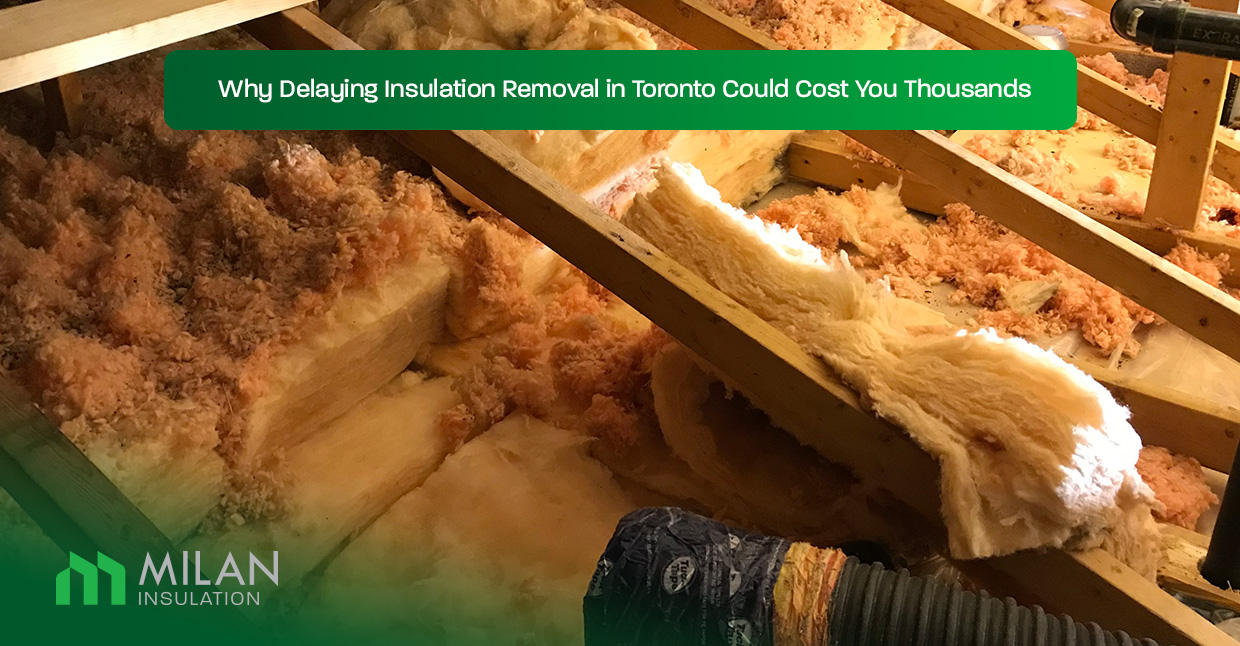
Delaying Insulation Removal in Toronto Could Cost You far more than just higher energy bills—it could lead to serious health hazards, structural damage, and unexpected repair expenses that run into the tens of thousands. Outdated or contaminated insulation, especially in older homes across Toronto and the Greater Toronto Area (GTA), often harbors hidden dangers like asbestos, mold, or rodent infestations. Ignoring these issues doesn’t make them go away; it only allows them to worsen, silently compromising your indoor air quality, home safety, and property value. The longer you wait, the more complex—and costly—the solution becomes.
When timely, professional intervention is needed, Milan Insulation stands out as one of Toronto’s most trusted and fully certified insulation removal specialists. With expertise in hazardous material handling, CUFCA certification, $2 million liability insurance, and a strict adherence to Ontario’s environmental and safety regulations, Milan Insulation delivers safe, efficient, and code-compliant insulation removal services across the GTA—including Mississauga, Brampton, Vaughan, Markham, and Richmond Hill. Choosing a qualified provider like Milan Insulation isn’t just about replacing old material—it’s about protecting your home, your health, and your financial well-being before minor issues turn into major losses.
Table of Contents
ToggleWhat Happens When You Delay vs. Act Now: A Cost Comparison for Toronto Homeowners
Understanding the financial consequences of delaying insulation removal becomes much clearer when you compare real-world scenarios side by side. Below is a detailed breakdown of typical outcomes over a 2-year period for two Toronto homeowners facing the same initial issue—contaminated loose-fill insulation—but choosing different paths: one delays, the other acts immediately with a professional like Milan Insulation.
| Factor | Homeowner Who Delays (2+ Years) | Homeowner Who Acts Immediately |
|---|---|---|
| Initial Inspection & Testing | Skipped or postponed | $250–$400 (often waived with full service) |
| Insulation Removal Cost | $8,000–$15,000+ (due to contamination spread) | $3,500–$6,500 (contained, limited hazard) |
| Mold Remediation | $5,000–$12,000 (walls, ducts, subfloor affected) | None or minimal (<$500) |
| Pest Damage Repairs | $2,000–$7,000 (rewiring, drywall, wood replacement) | None |
| HVAC System Cleaning/Replacement | $1,500–$4,000 (due to airborne contamination) | Optional maintenance (~$300) |
| Increased Energy Bills (2 years) | +$2,400–$4,800 (30–50% inefficiency) | Baseline usage maintained |
| Insurance Complications | Claim denied due to “neglect”; higher premiums | Full coverage for unrelated future claims |
| Home Resale Impact | Required disclosure lowers offer by $10,000–$25,000 | Clean attic = stronger appraisal & buyer confidence |
| Health & Peace of Mind | Chronic respiratory issues; ongoing stress | Safe, healthy indoor environment |
| Total Estimated Cost | $20,000–$50,000+ | $4,000–$7,500 |
The True Price of Procrastination: What Waiting Really Costs Toronto Homeowners
Many homeowners assume that old or damaged insulation is a “set-and-forget” issue—something they can deal with “later.” But in Toronto’s demanding climate and aging housing stock, “later” often turns into “too late.” What starts as a faint musty odor, a slightly higher gas bill, or a few mouse droppings in the attic can rapidly escalate into full-blown contamination, structural rot, or even asbestos exposure. The financial impact isn’t linear—it’s exponential. Every season you delay adds layers of hidden costs: inefficient HVAC performance, mold remediation, electrical repairs, insurance complications, and diminished resale value.
Unlike cosmetic home upgrades, insulation problems operate silently beneath the surface—until they don’t. By the time visible damage appears, the underlying issues have often spread far beyond the attic, infiltrating walls, ductwork, and living spaces. The good news? You don’t have to navigate this risk blind. In the sections ahead, we’ll break down exactly how delaying insulation removal in Toronto could cost you thousands—sometimes tens of thousands—in avoidable expenses. From health hazards to hidden structural decay, and from energy waste to legal liabilities, we’ll show you why timing isn’t just important—it’s everything. Stay with us in this article to uncover the real financial stakes of putting off insulation removal, and how taking action today can protect your home, your health, and your wallet tomorrow.
The Hidden Dangers of Outdated Insulation in Toronto Homes
Toronto’s climate—characterized by humid summers and frigid winters—places relentless stress on a home’s insulation system. Over time, insulation can settle, compress, or become contaminated, drastically reducing its effectiveness. But the problem goes beyond energy inefficiency.
1. Asbestos in Vermiculite Insulation
Many older homes in Toronto, especially those constructed between the 1920s and 1980s, contain loose-fill vermiculite insulation. This material, often sourced from the Libby, Montana mine, is frequently contaminated with asbestos fibers. While undisturbed vermiculite may pose minimal risk, any renovation, attic access, or even minor air movement can release fibers into the living space. Asbestos exposure is directly linked to mesothelioma, asbestosis, and lung cancer—diseases that may take decades to manifest but carry life-altering consequences.
Health Canada and the Ontario Ministry of Labour strongly recommend professional assessment and removal of vermiculite insulation. DIY removal is not only illegal without proper certification—it’s extremely dangerous. Delaying insulation removal in Toronto could cost you not just in medical bills but in legal liability if asbestos fibers migrate to neighboring properties.
2. Rodent and Pest Infestations
Fiberglass and cellulose insulation are prime nesting materials for mice, rats, squirrels, and insects. These pests don’t just leave droppings—they chew through wiring, introduce pathogens, and urinate directly into insulation, creating ammonia fumes and mold-friendly environments. Once contaminated, insulation cannot be “cleaned.” It must be fully removed and replaced.
Ignoring early signs—scratching noises, foul odors, or increased energy bills—allows infestations to grow. A minor rodent issue can escalate into full-blown attic contamination, requiring not only insulation removal but also duct cleaning, drywall repair, and electrical rewiring. The longer you wait, the more extensive (and expensive) the remediation becomes.
3. Moisture, Mold, and Structural Decay
Toronto’s high humidity, especially in spring and summer, can seep into attics through poor ventilation or roof leaks. Wet insulation loses up to 50% of its R-value and becomes a breeding ground for mold and mildew. Mold spores can spread through HVAC systems, triggering allergies, asthma, and other respiratory conditions.
Worse, prolonged moisture exposure can rot wooden roof trusses, ceiling joists, and sheathing. By the time visible sagging or staining appears, structural integrity may already be compromised. Repairing rotted framing can cost tens of thousands—far exceeding the price of proactive insulation removal and attic restoration.
How Delayed Removal Inflates Your Energy Bills
Your home’s insulation is its first line of defense against energy loss. When insulation is old, wet, compressed, or contaminated, it fails to maintain consistent indoor temperatures. This forces your furnace and air conditioner to work overtime—especially during Toronto’s extreme seasonal shifts.
According to Natural Resources Canada, properly installed insulation can reduce heating and cooling costs by up to 20%. Conversely, degraded insulation can increase annual energy bills by 30% or more. Over five years, that could amount to $5,000–$8,000 in wasted energy—money that could have funded a complete, professional insulation upgrade.
Moreover, Toronto Hydro and Enbridge offer rebates for energy-efficient retrofits—but only if your home meets baseline standards. Contaminated or ineffective insulation disqualifies you from these programs, eliminating potential savings of up to $5,000.
Delaying insulation removal in Toronto could cost you not only in monthly utility spikes but also in lost incentives that could offset the cost of replacement.
The Snowball Effect: Minor Problems Become Major Repairs
One of the most underestimated consequences of delayed insulation removal is the domino effect it triggers. A small issue—like a roof leak over a section of attic insulation—can lead to:
- Mold spreading into wall cavities
- Electrical shorts from chewed wires
- HVAC system contamination
- Ceiling drywall collapse
- Decreased indoor air quality (IAQ)
For example, a homeowner in Scarborough ignored a musty smell in their upstairs hallway for over a year. By the time they investigated, black mold had spread behind walls and into the HVAC ducts. The final bill? Over $18,000 for mold remediation, insulation removal, duct cleaning, and drywall replacement. Had they acted within the first few months, the cost would have been under $4,000.
This pattern is all too common across Toronto neighborhoods—from Etobicoke to Scarborough, and from North York to the Beaches. Homeowners assume “it’s just insulation” and postpone action. But insulation is integrated with your home’s entire envelope. Compromise one element, and the whole system suffers.
Legal and Insurance Implications in Ontario
In Ontario, property owners have legal responsibilities regarding hazardous materials. If your home contains asbestos-containing insulation and you fail to disclose it during a sale—or worse, attempt DIY removal—you could face fines, lawsuits, or denial of insurance claims.
Home insurance policies typically exclude damage caused by “neglect” or “gradual deterioration.” If an insurer determines that prolonged exposure to moisture or pests could have been prevented through timely insulation removal, they may refuse to cover resulting damages. This is especially relevant for attic fires caused by rodent-chewed wiring or water damage from undetected leaks.
Furthermore, the City of Toronto and the Ontario Fire Code require that all insulation materials meet current fire safety standards. Older materials like urea-formaldehyde foam (UFFI), banned in 1980, may still exist in some homes and pose both health and compliance risks.
Delaying insulation removal in Toronto could cost you not just financially, but legally—potentially jeopardizing your ability to sell your home or obtain fair insurance coverage.
Why Professional Removal Is Non-Negotiable
Some homeowners consider DIY insulation removal to save money. This is a dangerous misconception. Professional insulation removal in Toronto involves:
- Containment barriers to prevent cross-contamination
- HEPA-negative air filtration systems
- Asbestos testing (if applicable)
- Proper disposal at licensed facilities
- Post-removal air quality verification
Licensed contractors follow strict protocols under Ontario Regulation 278/05 (Asbestos on Construction Projects) and the Environmental Protection Act. They also carry liability insurance—critical if something goes wrong.
Attempting to remove insulation yourself without proper PPE, containment, or disposal methods can expose your family to toxins and violate municipal bylaws. The short-term “savings” are vastly outweighed by long-term risks.
Moreover, professionals can assess whether your attic needs additional upgrades—such as improved ventilation, vapor barriers, or upgraded R-values—that enhance comfort and efficiency beyond mere replacement.
Signs You Should Schedule Insulation Removal Immediately
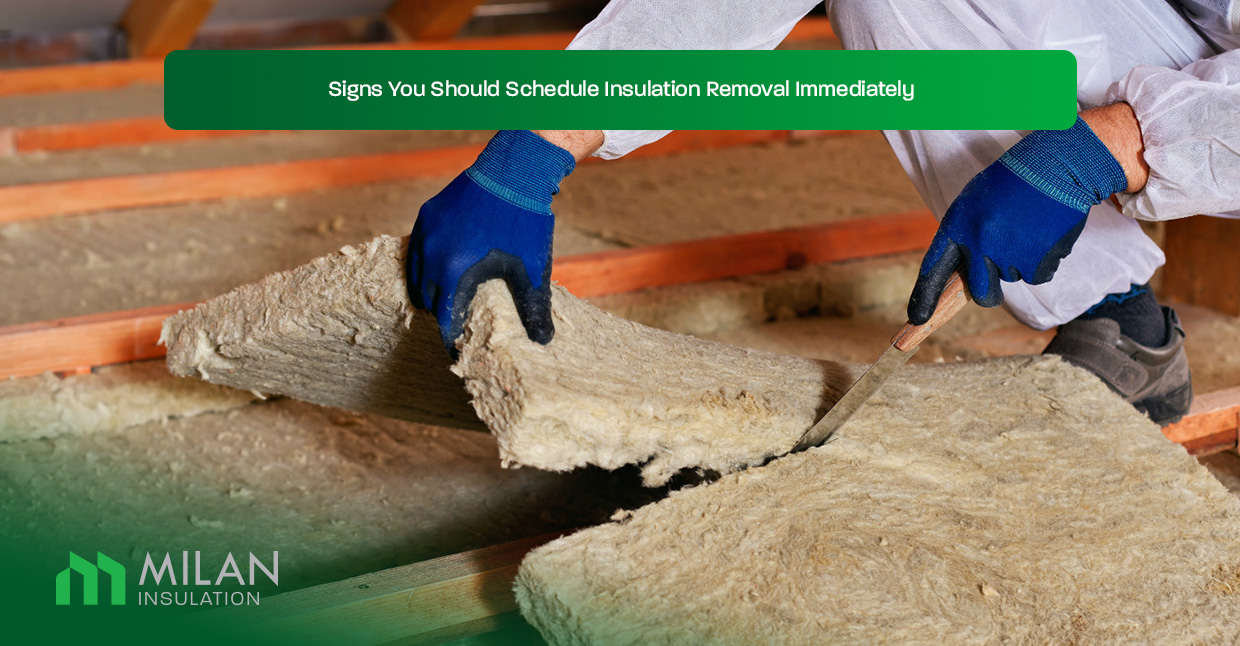
Don’t wait for disaster to strike. Watch for these red flags:
- Sudden increase in heating or cooling costs
- Musty, ammonia-like, or “urine” odors in upper floors
- Visible droppings, nesting materials, or chewed wires in the attic
- Discolored or damp insulation
- Allergy or respiratory symptoms worsening at home
- Age of home: Built before 1990? Assume vermiculite may be present.
- Plans for renovation or attic conversion: Disturbing old insulation without testing is extremely risky.
If any of these apply, contact a licensed Toronto insulation removal specialist immediately. Early intervention can cut costs by 60–75%.
The Smart Financial Move: Act Now, Save Later
Investing in professional insulation removal isn’t an expense—it’s a protective measure. It safeguards your health, preserves your home’s structure, reduces energy consumption, and maintains property value. In Toronto’s competitive real estate market, a home with documented, up-to-code insulation upgrades attracts higher offers and faster sales.
Additionally, pairing removal with modern, high-performance insulation (like spray foam or dense-pack cellulose) can qualify you for federal and provincial green retrofits programs, including the Canada Greener Homes Grant—offering up to $5,600 in reimbursement.
Delaying insulation removal in Toronto could cost you thousands in hidden, compounding expenses. But acting now positions you for long-term savings, comfort, and safety.
Final Thoughts: Don’t Gamble With Your Home’s Health
Your attic may be out of daily view, but it’s far from irrelevant. It’s a critical zone that affects air quality, energy efficiency, structural integrity, and long-term property value. Delaying insulation removal in Toronto could cost you thousands—not just in direct repairs, but in cascading consequences that ripple through every aspect of homeownership.
In a city as dynamic and weather-challenged as Toronto, proactive maintenance isn’t optional. It’s the hallmark of a smart homeowner. Don’t wait for a crisis to act. Schedule a professional inspection today, and protect your home—and your wallet—from avoidable financial disaster.
Because when it comes to insulation, time isn’t just money—it’s health, safety, and peace of mind.
References
FAQs
How do I know if my insulation contains asbestos?
If your home was built before 1990 and has loose-fill, pebble-like insulation (often gray or brown), it may be vermiculite. Only a certified lab test can confirm asbestos presence. Never disturb it—call a licensed professional for sampling.
Can I just cover old insulation with new layers?
No—especially if the existing material is contaminated. Covering mold, pests, or asbestos traps hazards inside your walls and attic, creating greater health and structural risks.

No comment